
Inside Critter Camp: A Week of Getting Wonderfully Messy with Science
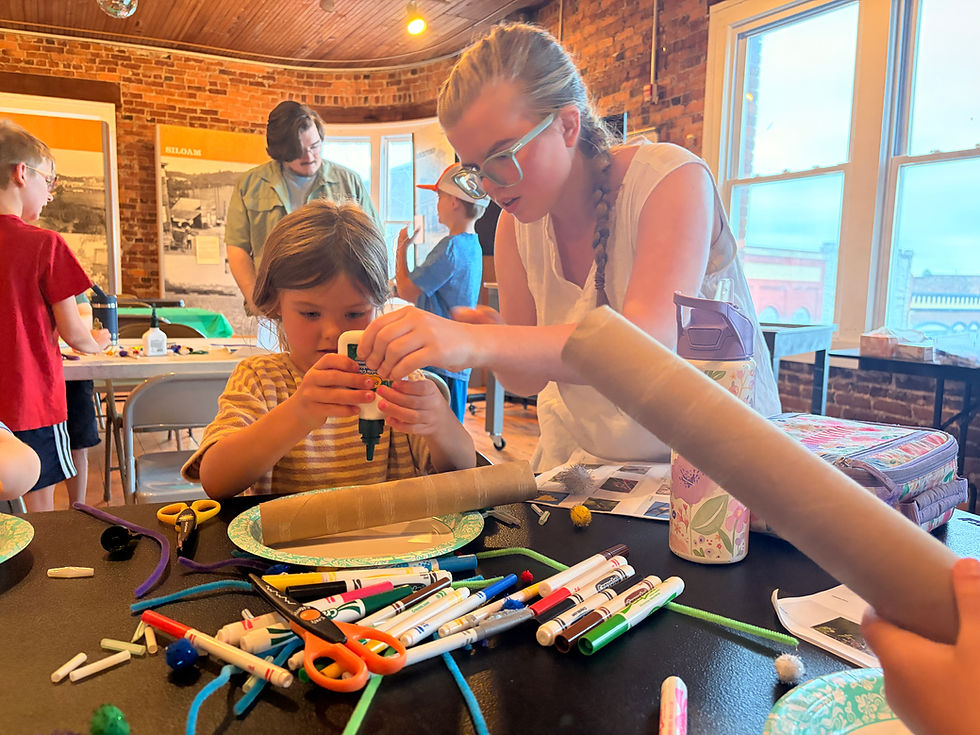
If you walked past the Mount Airy Museum of Regional History last week, you probably heard a lot of shrieking. That noise was the sound of a dozen kids between the ages of 5 and 9 falling in love with animals, ecosystems, and the occasional handful of pudding during this year's Critter Camp!
This year's Critter Camp was built around one simple idea: kids learn science best when they're allowed: to touch it, squish it, paint it, and occasionally eat it (don't worry, only the pretend dirt). Here's a look at a few experiments our campers got into during camp, and what to expect if you're considering signing your own little learner up in the future.

Owl Pellets: Nature's Strangest Surprise Package
Few things capture a young scientist's attention quite like being handed a small, foil-wrapped lump and told "this is something an owl coughed up." Owl pellet dissection is always a camp favorite, and this year was no exception. Armed with tweezers, magnifying glasses, and a healthy amount of bravery, campers carefully pulled apart the pellets to find tiny bones, teeth, and fur from the rodents owls had eaten. For most kids, this was their first hands-on lesson in food chains and digestion, and it turns out there's no better way to make "predator and prey" click than letting a seven-year-old assemble a mouse skeleton from scratch.
Painted Wooden Snakes That Actually Slither
Next, campers traded tweezers for paintbrushes to decorate their own jointed wooden snakes. Because each snake was made of connected wooden segments, once the paint dried, it could actually wiggle and slither across a table just like the real thing. Beyond being a fun, colorful craft, this activity opened up conversations about how snakes move without legs, how their scales help them grip the ground, and why so many different snake patterns exist in nature (camouflage, it turns out, is a very popular art style among campers, too).

Painting Fish That Glow in the Dark
Few crafts get a bigger reaction than flipping off the lights. After painting wooden or paper fish with bright, ordinary-looking colors, campers were stunned to watch their fish glow under blacklight. This was a perfect jumping-off point for talking about bioluminescence and why some real fish, like anglerfish and certain jellyfish, generate their own light deep in the ocean where sunlight never reaches. It's one thing to read about glowing deep-sea creatures in a book; it's another thing entirely to make your own glowing fish and then ask why on earth a fish would need a flashlight built into its face.
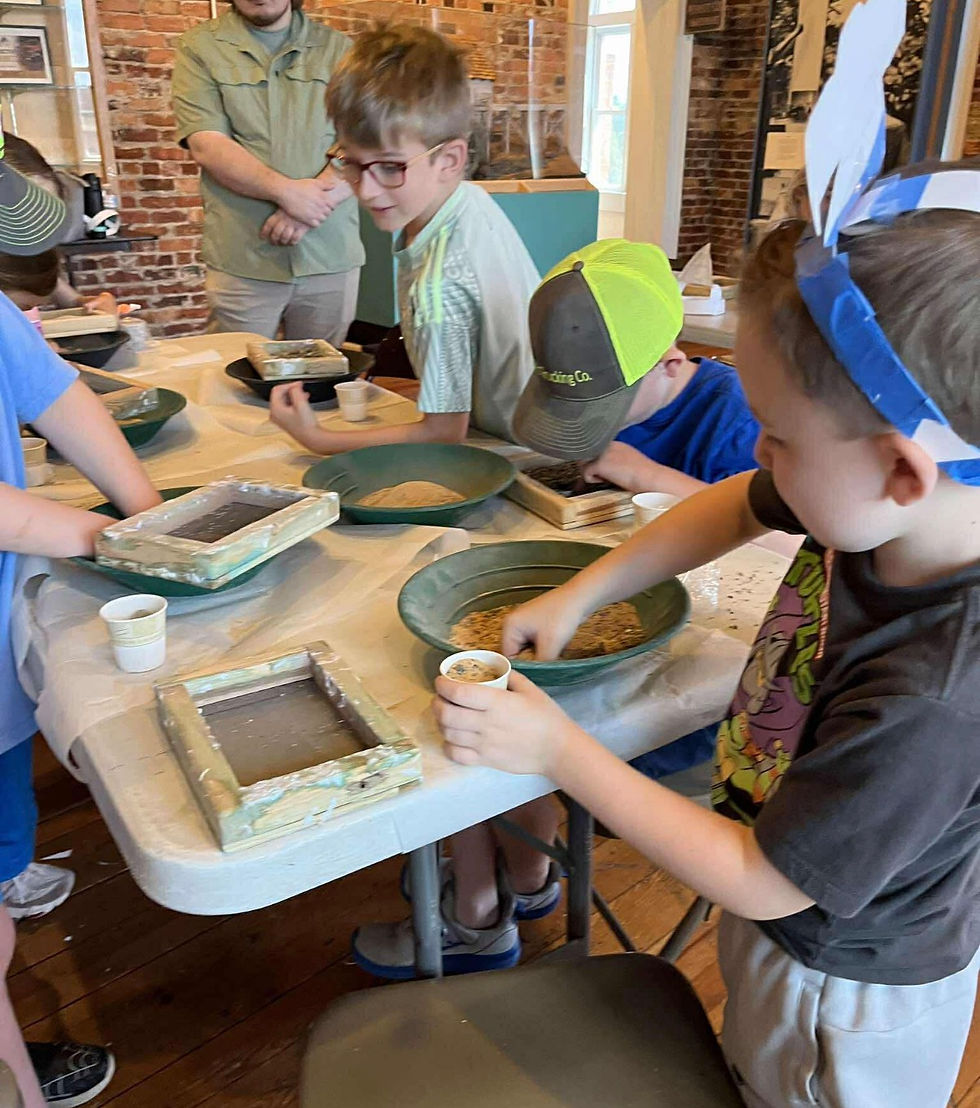
Edible Dirt: A Soil Science Lesson You're Allowed to Eat
And finally, the activity that may have gotten the most enthusiastic response of the week: building dirt samples out of pudding. Layering chocolate pudding, crushed cookies, and gummy worms might look like dessert, but it doubles as a hands-on model of soil horizons, the different layers of dirt that make up the ground beneath our feet. Campers learned about topsoil, where most plant roots and organisms live, and the deeper layers below, all while building (and then devouring) their edible models. It's safe to say this was the only science lesson all week that ended in everyone asking for seconds.
Why We Keep Doing It This Way
Each of these activities was designed to take a big idea, like food chains, animal adaptations, bioluminescence, or soil ecology, and shrink it down to something a five-year-old can hold in their hands. Kids this age aren't going to remember a lecture on ecosystems, but they will remember the time they found a tiny mouse skull in something an owl threw up, and that memory sticks around a lot longer than a textbook page ever could.
No prior science experience required, just curiosity (and a willingness to get a little messy). This camp was one of many we hold each Summer; each of which have different age ranges. We still have camps open with limited slots avalible. If you are interested in getting your kids involved, check out the museum's calendar for the next available dates.
We'd love to have them join us for the next round of dscovery!


